
Expert Skin  Solutions

Surgical Dermatology
Our Services
Biopsies
A skin biopsy is a surgical procedure that extracts cells from the surface of the skin to diagnose a variety of skin disorders and symptoms.

Cyst Removal
Cysts are tiny vesicles beneath the skin that become swelled up from dead skin cells and feel like small lumps under the surface layers of the skin.
Mole Removal
Patients who are concerned about the color, size, or texture of a mole or don’t like the location or appearance of the mole can have it surgically removed.
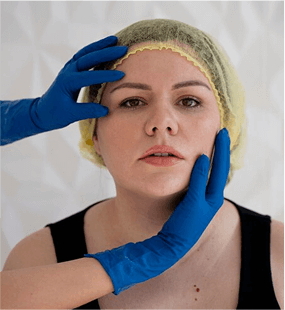
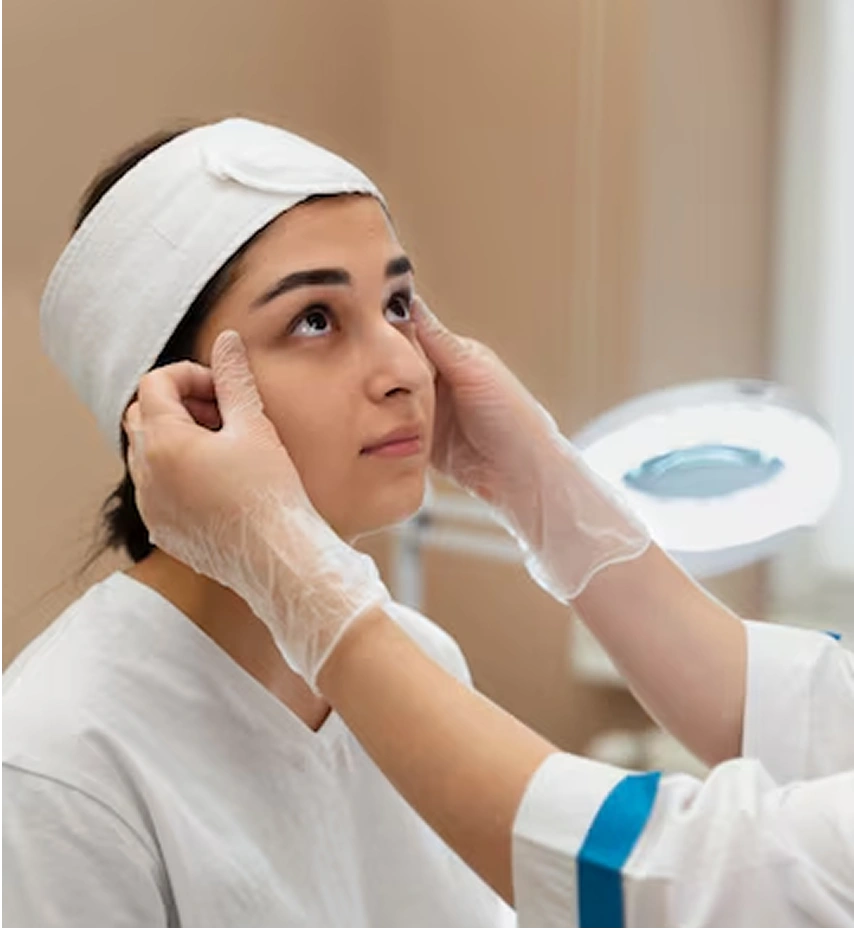
Skin Cancer Screening and Surgery
Skin cancer can appear in a variety of forms and Dr. Greenberg uses the most advanced procedures and techniques to screen and remove precancerous and cancerous skin cells from the body and prevent the cancer from spreading to other areas.
Patient Testimonials
Take a look at what our amazing clients have said


Any questions?
Surgical dermatology is a specialized field of medicine that focuses on maintaining the health of your skin by diagnosing and treating a variety of skin conditions through surgical procedures and techniques that are safe and effective.
While dermatologic surgery is often used for removing certain types of skin cancer, as well as moles, warts, and other abnormal skin growths, it can also be an effective solution for restoring appearance through the use of reconstructive techniques.
What are some common conditions treated with dermatologic surgical procedures?
Surgical dermatology is a specialized field of medicine that focuses on maintaining the health of your skin by diagnosing and treating a variety of skin conditions through surgical procedures and techniques that are safe and effective.
While dermatologic surgery is often used for removing certain types of skin cancer, as well as moles, warts, and other abnormal skin growths, it can also be an effective solution for restoring appearance through the use of reconstructive techniques.
Are these procedures painful?
Patients are given a local anesthetic prior to the start of a dermatologic procedure. The surgery site is numbed with a small injection so there is no pain or discomfort. Once the surgery is complete, you may experience some mild soreness or discomfort and swelling, but these symptoms typically subside after a day or two and are easily managed with over-the-counter pain relievers.
How long does it take to complete a dermatologic surgery procedure?
The time it takes to complete a procedure depends on the procedure and the condition being addressed. A standard mole removal could take as little as fifteen minutes, while reconstructive surgery or a Mohs procedure could take as long as a few hours. A consultation with Dr. Lily will include a diagnosis of the skin concern you would like to address and she will review your treatment options with approximate timelines for performing the recommended procedures.
What can I expect from the recovery process?
The recovery process can vary based on the procedure. A small excision of tissue may take one to two weeks to fully heal while larger procedures may require the removal of stitches, routine dressing changes, and follow-up visits to monitor the healing process. In every case, a quick and successful recovery process requires that you maintain the cleanliness of the surgical site, reduce strenuous activity, and take any prescribed medications as directed.
Should I expect to have a scar at the surgical site?
While scarring is a potential risk with any invasive surgical procedure, Dr. Lily is highly-skilled in utilizing precision techniques to minimize the appearance of any scarring at the surgical site. The risk of having a scar can depend on a variety of factors including skin type, the location of the surgical site, and your ability to follow the recovery instructions.
What should I do in preparation for my surgical procedure?
We will review all of the steps you should take before and after your procedure. However, it’s important to inform us about any medical conditions or medications you are taking and stop taking blood thinners such as aspirin or ibuprofen prior to surgery. Be sure to consult your physician prior to changing any prescribed medication regimen. You may also need to arrange for someone to drive you home after the procedure.