Medical Indications for Skin Biopsies

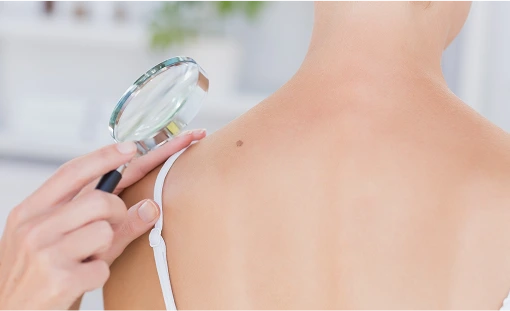
Skin biopsies can be performed for a variety of clinical purposes. A biopsy is used to determine if a suspicious area of the skin contains cancer cells or if the condition you are experiencing is an infection or a result of inflammation caused by a common skin disorder. In some cases, a biopsy may be used to monitor the progress of treatment. Dr. Greenberg will remove a small sample of tissue and examine that tissue under a microscope as a means of assessment for the following:
Skin Biopsies
Skin Lesion Diagnosis
Biopsy results can help determine if the tissue extracted from the area poses a concern for cancer development. A benign skin lesion is non-cancerous, while premalignant or malignant tissue may contain abnormal cells that could become or have already turned cancerous and pose a threat of spreading to other areas of the skin.
Infectious Disease Diagnosis
A biopsy can be extremely useful for the diagnosis of many skin infections such as ringworm, Athlete’s Foot, and yeast infections or cutaneous tuberculosis in cases where obtaining a culture or swab of the affected area is insufficient for reaching a clear diagnosis of the issue.
Skin Inflammation Disorders
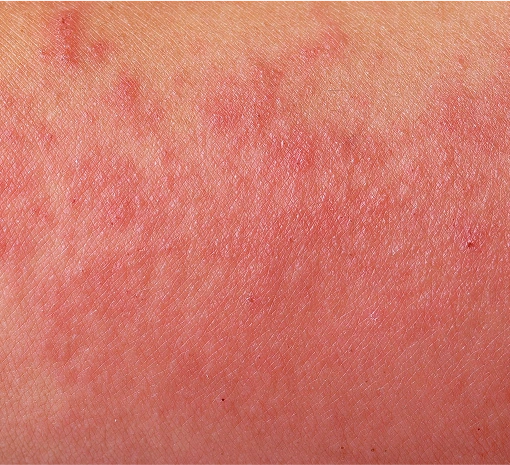
Patients who are presenting symptoms of inflammation may require a biopsy to get a better understanding of the cause. Some skin disorders such as psoriasis or vasculitis may require a closer evaluation that can be gained from a biopsy. The results from that biopsy may recommend one treatment option over another for eliminating the condition and restoring quality of life.
Monitoring of Disease Progression or Treatment Efficacy
A small amount of tissue may be excised from the skin to monitor the progression of a chronic condition. Some diseases such as cutaneous T-cell lymphoma must be monitored through routine biopsies to manage the disease and adjust treatment as appropriate. Biopsies can also be vital for ensuring that treatment options in place are the best and most effective for reaching the optimal health outcomes.
Skin Biopsies

Different Types of
 Biopsy Procedures
There are many different types of biopsies that can be employed for reaching an indication. The biopsy procedures chosen by Dr. Greenberg are typically selected depending on the type of lesion on the body, the size and location of the affected area, or the possible diagnosis that may come once the biopsy is performed and the tissue examined. These are the most common skin biopsy procedures that may be required for diagnosing and treating your skin condition.
Shave Biopsy

Shave Biopsy

A shave biopsy is performed by removing a thin, top layer of tissue from a lesion or mole using a small blade such as a scalpel or razor. This procedure is typically chosen for the examination of superficial skin abnormalities that may present as suspicious but do not require removal.

Dr. Greenberg will administer a local anesthetic to the affected area before carefully shaving a small portion of tissue for laboratory analysis. This method is effective for diagnosing certain types of skin cancer such as basal cell carcinoma and squamous cell carcinoma. A shave biopsy may also be used for diagnosing abnormal moles on the skin.

This type of biopsy is quick, relatively painless, and poses very little risk of scarring.
Punch Biopsy

Punch Biopsy

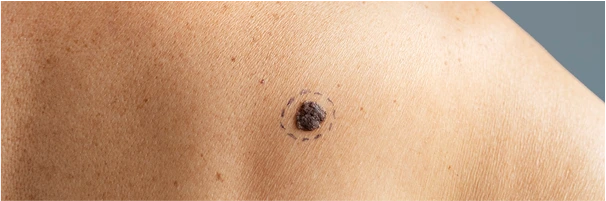
A punch biopsy is performed using a special cylindrical blade that penetrates the epidermis, dermis, and, if necessary, subcutaneous fat, to remove a core of skin from the affected area.

Dr. Greenberg may employ this biopsy technique as a means for diagnosing skin rash, infection, and certain types of skin cancer because the amount of tissue extracted can provide a larger sample size for analysis.

This biopsy technique is performed using local anesthesia administered to the affected area prior to the procedure. The amount of tissue removed can vary from 2mm to 5mm in diameter and may require a minimal number of stitches based on the size of the biopsy. In some cases, the wound may be left to heal on its own without suture intervention.
Excisional Biopsy

Excisional Biopsy

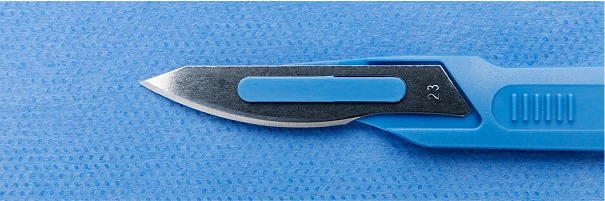
An excisional biopsy is a technique in which the entire lesion or suspicious, abnormal affected area of the skin is removed for diagnostic analysis using a scalpel. This procedure can be very effective for diagnosing many types of skin cancer including melanoma, and may be employed as a solution for removing the affected tissue in full to prevent the spread of cancerous cells.

Dr. Greenberg will administer a local anesthetic to the area prior to extracting the affected tissue in addition to an appropriate amount of healthy tissue. The reason for using this technique is to gather a sufficient amount of tissue for running a detailed analysis to reach an accurate diagnosis of the affected area.

Once the procedure is finished, the wound is typically closed using stitches. While this type of biopsy is more invasive than other options, the results can provide a higher level of diagnostic detail. There is an increased risk of scarring and post-operative care is necessary in many cases.
Incisional Biopsy

Incisional Biopsy

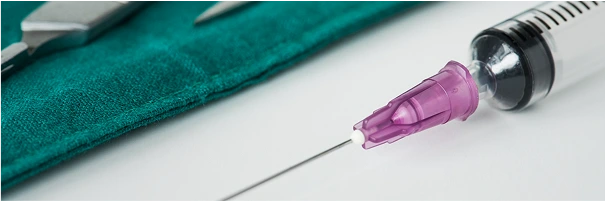
By comparison, an incisional biopsy only removes a portion of the suspicious or abnormal tissue from the affected site and that portion is used for diagnostic analysis. This procedure is often used if the lesion is too large to be removed in its entirety or in cases where removal may present cosmetic or functional concerns.

As with other biopsy procedures, this technique is performed using a local anesthetic applied to the incision site and Dr. Greenberg will remove a portion of tissue that includes both suspicious and healthy samples. Once complete, the area may require minimal sutures or it may be left to heal naturally based on the size and incision site of the biopsy.

In some instances, once a diagnosis is obtained, an additional excision may be required to remove affected tissue.

Any questions?

The following are some basic questions that patients typically ask before any biopsy procedure is performed by Dr. Greenberg:
Is a biopsy painful?
Dr. Greenberg will administer a local anesthetic to the biopsy site so you should feel little to no pain or discomfort during the procedure. After the procedure is complete, you may experience some residual discomfort once the anesthetic wears off, but this is typically very mild and can be effectively reduced using your preferred over-the-counter pain reliever.
When can I expect my biopsy results?
Most results can take anywhere from three to seven days based on the type of diagnostic evaluation needed and other factors. If the tissue requires further analysis, it may take longer to receive your results. Dr. Greenberg will keep you updated on the progress of your results and may set an appointment to review those results when ready.
Will I have a scar after a biopsy?
Many biopsy procedures come with a risk of scarring, particularly in cases where sutures are needed to close the wound. A variety of factors can play a role in elevating or minimizing the risk of scarring such as the type of biopsy procedure that is used, the amount of tissue removed, and careful consideration for successful healing of the wound. Dr. Greenberg will furnish you with post-op recovery instructions to reduce the risk of scarring at your biopsy site.
Are there risks with biopsies?
While biopsies are typically safe, there are some possible risks that come with having these procedures performed, including hematoma, infection, delayed or complications during the healing process, scarring, and false negatives in the diagnostic phase which could result in the need for an additional biopsy of the affected area.
What are the post-care guidelines to follow after a biopsy?
Dr. Greenberg will recommend a post-care routine tailored to the specific type of biopsy procedure you received. It is very important to keep the biopsy site clean and apply any antibiotic ointments as directed. If your biopsy requires stitches, it’s best to minimize any contact with them until removal. Dr. Greenberg will inform you when the stitches may be removed and they may either fall out on their own or require removal in the office. Avoid any trauma to the biopsy site to ensure a successful healing process.
Should I expect any downtime after a biopsy?
No, these are outpatient procedures that require little to no recovery time. You may resume normal activities as you see fit after your biopsy is performed.